

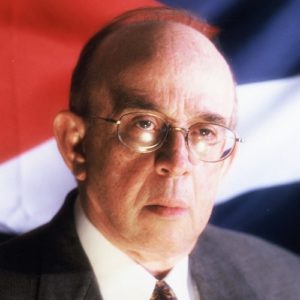
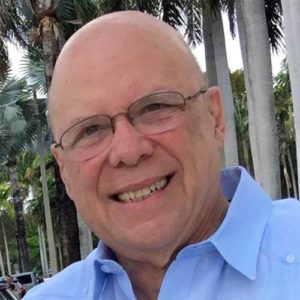
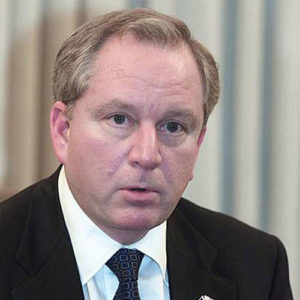
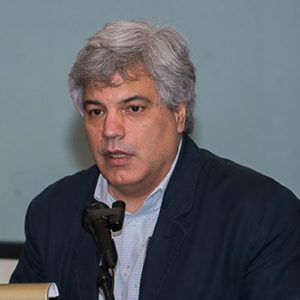

Labor leader. Son of a Catalan bank employee from Guantánamo, he joined the Unión Revolucionaria Comunista in 1930, but later severed his communist affiliation to become secretary general of Joven Cuba in 1934. In 1938, he joined the Partido Revolucionario Cubano (Auténtico) and became prominent as a labor agitator. In 1948, he succeeded Lázaro Peña as secretary general of the Confederación de Trabajadores de Cuba, and, with President Prio’s backing, proceeded to expel all communists. Following the 1952 coup, he reached an accommodation with Fulgencio Batista, so averting a general strike. He gradually moved closer to identification with Batista, although retaining autonomous control over the CTC, until the Revolution of 1959, when he went into exile, dedicating his life to anti-Castro activities in the United States, especially those connected with labor.

ECONOMIC CHANGES FOR A SUCCESSFUL CUBA TRANSITION
Note: Under the auspices of the George W. Bush administration and in the hope that Cuba’s transition to a democratic society would